 Tower Academy.
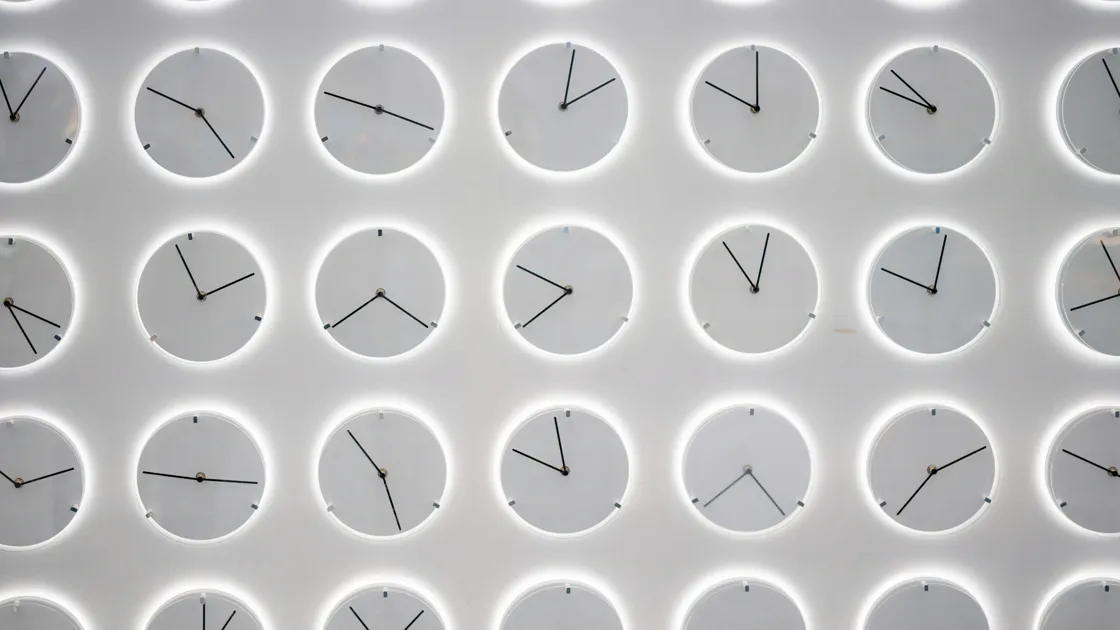
Did you get an extra hour of sleep last weekend? Maybe you could sleep in a little longer - or, as the British say, have a lie-in. Congratulations - you've just experienced one of the strangest traditions of the modern world. In the early hours of Sunday, 25 October, clocks all over Europe went back by one hour. 3:00 suddenly became 2:00 again, and for a moment, time travel was real.
But if you have friends or family in the USA, you might have noticed something odd. Their clocks didn't change. Not yet. Americans will turn their clocks back a whole week later, on Sunday, 1 November.
So what's going on? Let's find out.
Spring forward, fall back
First, a quick reminder of how it works. The summer setting is called daylight saving time, and the winter one is standard time. In spring, we move our clocks one hour forward and lose an hour of sleep. In autumn, we move them one hour back and get that hour back.
Americans have a brilliant way to remember it: spring forward, fall back. It works because in American English, autumn is called fall - and "fall back" also means "to move backwards". Two meanings, one phrase. English at its best!
(In Polish, we usually just say: w październiku dłużej śpimy. Less poetic, but it does the job.)
One week of chaos
In Europe, the clocks change on the last Sunday of October. In the USA, they change on the first Sunday of November. Most years, that gives us about one week when the time difference between Europe and America is different from usual.
New York is in a different time zone, so normally, when it's 12:00 in Warsaw, it's 6:00 in New York. But this week, it's 7:00 in New York. The difference is only five hours instead of six.
Why does it matter? Ask anyone who has ever missed an online meeting, a flight connection or a live stream of an NBA game because their calendar didn't get the message. Some people call this week "the confusing week" - and it happens again in spring, when America changes its clocks about two weeks before Europe.
What about the UK? Good news - Britain changes its clocks on the same day as the rest of Europe, so London stays exactly one hour behind Poland all year round.
Who invented this?
Many people believe it was Benjamin Franklin. It's a great story, but it's not really true. In 1784, Franklin wrote a funny letter to a Paris newspaper. He suggested that Parisians could save a fortune on candles if they simply got out of bed earlier - and that the city should fire cannons at sunrise to wake everyone up. He was joking.
The real idea came from a British builder called William Willett. In 1907, during an early morning horse ride, he noticed that most Londoners were still asleep while the sun was already shining. What a waste of daylight! He wrote a pamphlet called The Waste of Daylight and spent the rest of his life trying to convince the government.
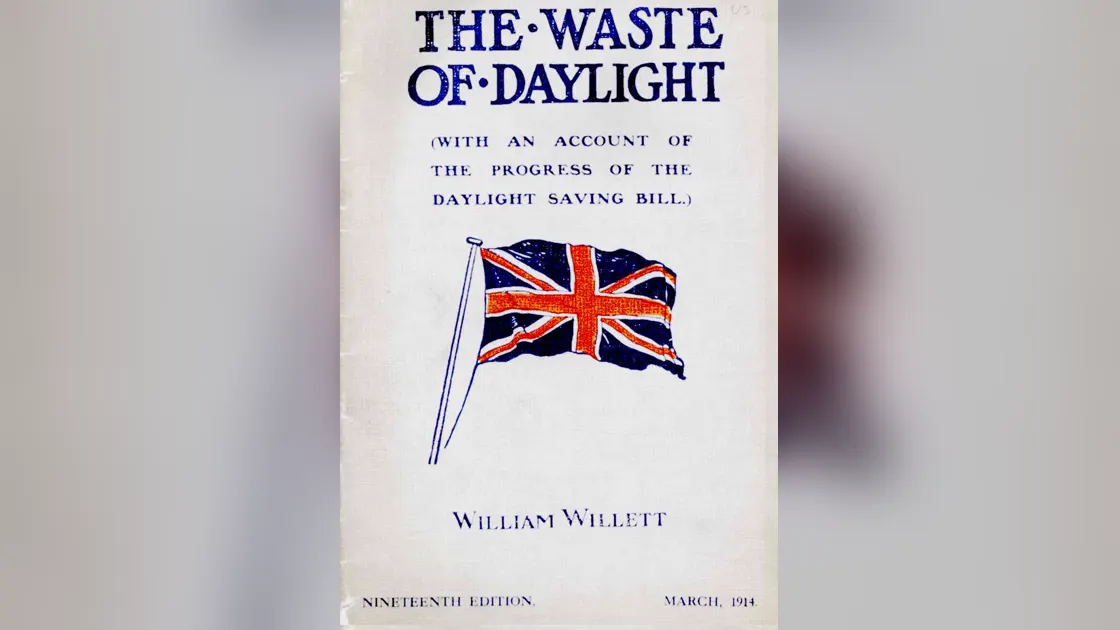
Sadly, Willett died in 1915, one year before his idea became reality. The first country to change its clocks was Germany, in 1916, to save coal during the First World War. Britain followed just a few weeks later.
🎵 Fun fact: William Willett was the great-great-grandfather of Chris Martin, the lead singer of Coldplay. So if you've ever sung "Clocks", now you know why it's the perfect song for this weekend.
Not everyone plays along
Not every place wants to play along. In the USA, two states don't change their clocks at all: Hawaii and most of Arizona. In Arizona, the summer is so hot that nobody wants an extra hour of sunshine in the evening. (Funnily enough, the Navajo Nation, which is located inside Arizona, does change its clocks. Road trips in that area can be very confusing!)
Most of Asia, Africa and South America don't change their clocks either. In fact, only about a third of the world's countries still do it.
Will it ever end?
Probably... one day. In 2019, the European Parliament voted to stop changing the clocks. The problem? European countries couldn't agree whether to stay on "summer time" or "winter time" forever, so the plan got stuck. In the USA, the Senate passed a bill to make summer time permanent in 2022 - but it never became law.
So for now, the tradition continues. Twice a year, we change our clocks, complain about feeling groggy for a few days, and then forget about it until the next time.
Watch out! The official name is daylight saving time - without "s". But many Americans say "daylight savings time", so you'll hear both.
Quick quiz
- When did the clocks go back in Europe this year?
- What's the time in New York this week when it's 15:00 in Warsaw?
- Who really came up with the idea of changing the clocks?
- Which famous musician is related to him?
- Name two US states that don't change their clocks.
Show answers
- On Sunday, 25 October.
- 10:00 (five hours behind, not six).
- William Willett, a British builder.
- Chris Martin from Coldplay.
- Hawaii and Arizona.
Let's talk!
Are you an early bird or a night owl? Would you rather keep summer time or winter time forever - and why? Tell us in the comments! 👇